

Prolonged snow cover during winter can lead to several lawn issues, with snow mold being one of the most common. Snow mold thrives in moist, low-light conditions under snow. There are two main types—gray and pink snow mold—that can harm the grass as the snow melts. If left untreated, snow mold can weaken the lawn and delay its recovery in the spring.
Snow Mold and Its Impact
- Gray Snow Mold: Appears as grayish patches when the snow begins to melt, typically under deep, compacted snow.
- Pink Snow Mold: Forms pinkish, matted areas and can develop under thinner snow cover.
Both types of mold can damage the grass, leading to dead patches and thinning areas that take longer to recover in spring.
Spring Solutions: Aeration, Dethatching, and Raking
To combat the negative effects of prolonged snow cover, proper lawn care is essential in the spring.
- Aerate the Lawn: Aeration relieves compaction from heavy snow, allowing air, water, and nutrients to reach the grass roots for healthier growth.
- Dethatch: If snow mold or other issues have led to a buildup of dead grass or organic matter, dethatching removes this layer, preventing it from blocking new growth.
- Lightly Hand Rake Affected Areas: Gently raking areas impacted by snow mold helps break up fungal mats, improve airflow, and speed up lawn recovery.
Don’t let snow mold take over your lawn! Garpiel Group should be your first call for expert lawn care solutions. Contact us today to ensure a healthy, lush lawn this spring!
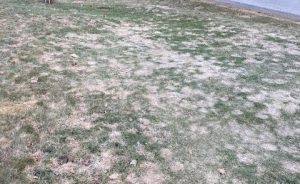
Snow Mold Damage – Heavy
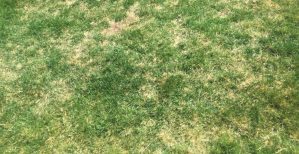
Snow Mold Damage – Spring