

If you live in Saginaw, you’ve probably seen your lawn go through phases. It starts full, then slowly turns patchy or thin. You water, you mow, you try to stay consistent, but something still feels off. That’s usually where lawn aeration comes in.
We see this pattern a lot. Soil tightens up, water stops soaking in, and roots don’t grow deep enough. Once that happens, everything above the surface struggles. Fix the soil, and the rest starts to follow.
Lawn Aeration in Saginaw Starts With What’s Happening Underground
Saginaw soil tends to compact quickly. Clay heavy ground holds together tightly, especially with foot traffic, weather shifts, and regular lawn maintenance. Over time, this creates a barrier that blocks airflow and water movement. That’s where lawn aeration resets everything. Core aeration removes small plugs from the ground, which opens up space for air, water, and nutrients to reach the roots.
You’ll notice it right away. Water starts soaking in instead of pooling. The ground feels softer. Grass begins to respond again.
Midway through most aeration work, the resistance of the soil becomes obvious. That’s soil compaction showing itself. Once those plugs are removed, your lawn can finally breathe again. That’s where real aeration benefits show up.
Some lawns also need dethatching at the same time. That layer of buildup blocks moisture and airflow. Removing it helps improve grass health faster.
Once the soil is in better shape, everything else works better too:
- Mowing stays more even
- Edging looks cleaner
- Flower bed maintenance improves
- Pruning and shrub trimming support healthier growth
When the ground cooperates, your entire lawn maintenance routine feels easier.
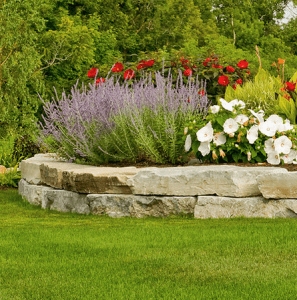
Lawn Aeration in Saginaw Works Best When You Hit the Right Timing
Timing matters more than most people expect. In Saginaw, early spring and early fall are the best windows.
Planning lawn aeration during these periods helps your lawn recover faster. The grass is actively growing, which means it can fill in and strengthen its roots.
Fall tends to be the best choice for most homeowners. Cooler temperatures and steady moisture support deeper root growth.
This is also the ideal time for overseeding. Once the soil is open, seeds settle in better and grow more evenly. You’ll see fuller coverage without forcing it.
Mid-season, turf fertilization and weed control become more effective as well. Nutrients reach the root zone instead of sitting on top.
Here’s how a structured fertilization cycle usually looks:
Round 1
Crabgrass pre-emergent with prodiamine when soil hits 55 degrees. Timing usually falls between March and early May.
Round 2
Weed control and fertilization begin. Broadleaf weeds are treated while feeding your turf.
Round 3
Summer feeding continues. Grub control is added using imidacloprid, applied with proper watering.
Round 4
Late summer treatment supports stressed turf and spot treats crabgrass.
Round 5
Fall fertilization targets weeds at the root level as they prepare for dormancy.
Round 6
Winterguard builds carbohydrate reserves so your lawn starts strong in spring.
All of this performs better when aeration has already opened the soil. That’s where you really see the aeration benefits come together.
Lawn Aeration in Saginaw: DIY or Call the Pros
DIY sounds simple at first. Rent a machine, run it across the yard, and you’re done. In reality, it’s a bit more involved.
Handling lawn aeration on your own means dealing with:
- Heavy equipment
- Uneven coverage
- Inconsistent depth
If the machine doesn’t pull clean cores, the results won’t be as strong. Professional lawn care services like ours focus on proper spacing and depth across the entire lawn. That consistency makes a difference you can actually see.
We’ve seen plenty of DIY attempts that missed sections or barely penetrated compacted areas. Those spots usually show up later as weak patches.
Working with a professional team also connects aeration to full lawn maintenance:
- Regular mowing schedules
- Edging for clean lines
- Pruning and shrub trimming
- Seasonal cleanup for debris removal
Flower bed maintenance also improves with proper soil conditions. Mulching and soil cultivation help plants grow stronger and stay healthier.
After Lawn Aeration: What Your Lawn Needs Right After
Once lawn aeration is done, your lawn is in its most receptive state. Think of this window as a short opportunity where everything you do actually sinks in and works.
Start with watering, but don’t just turn the sprinkler on and hope for the best.
Water lightly and consistently over the next 10 to 14 days. Early morning works best so moisture stays longer without encouraging disease. You’re aiming for damp soil, not soaked ground.
Move into overseeding while the holes are still fresh.
Seeds fall directly into those openings, which improves contact with the soil and boosts germination rates. Choose a seed that matches your existing grass type so it blends naturally.
Here’s a small pro tip most people skip.
After overseeding, avoid heavy foot traffic for at least a couple of weeks. Those early stages matter more than people think, especially for even growth.
Fertilization comes next, but timing matters here too.
Apply a starter fertilizer soon after seeding so roots get immediate access to nutrients. Turf fertilization and weed control become more effective at this stage since the soil is open and active.
Another pro tip we always share.
Hold off on strong weed control products right after seeding. Give new grass time to establish first, or you risk slowing down growth.
Keep your lawn maintenance simple and intentional during this phase:
- Mow only when the new grass reaches about 3 inches
- Use sharp mower blades to avoid pulling young roots
- Stick to proper mowing height for your grass type
When it comes to dethatching, this is not the time to do it again. Let your lawn recover first before adding more stress. Aeration already did the heavy lifting. If you’re thinking about landscaping upgrades, this is actually a smart window to plan ahead. Soil conditions are already improved, which helps new installations settle better.
- Hardscaping areas like patios and firepits benefit from stable ground
- Grading and stone work hold their shape longer
- Lighting and water features stay properly aligned
- Hydroseeding or new lawn installations establish faster
Last pro tip, and this one’s simple.
Stay consistent. Most lawns fail to improve because the follow-through fades after a week or two. Keep up the watering, stay on schedule with lawn maintenance, and give your grass time to respond.
That’s when you’ll actually see the difference show up.
At the end of the day, Saginaw lawns respond best when the soil gets attention first. Lawn aeration keeps roots active, improves water flow, and supports long-term grass health. Once that foundation is set, everything else you do starts working the way it should.